
too big to fail book pdf
Too Big to Fail Book PDF: A Comprehensive Guide (Updated 04/21/2026)
This guide explores accessing the “Too Big to Fail” PDF‚ detailing legitimate sources and risks of unofficial downloads as of today‚ 04/21/2026.
It covers Kindle‚ audiobook formats‚ Libgen.lc‚ and the book’s impact on understanding the 2008 financial crisis‚ offering a comprehensive overview;
What is “Too Big to Fail”?
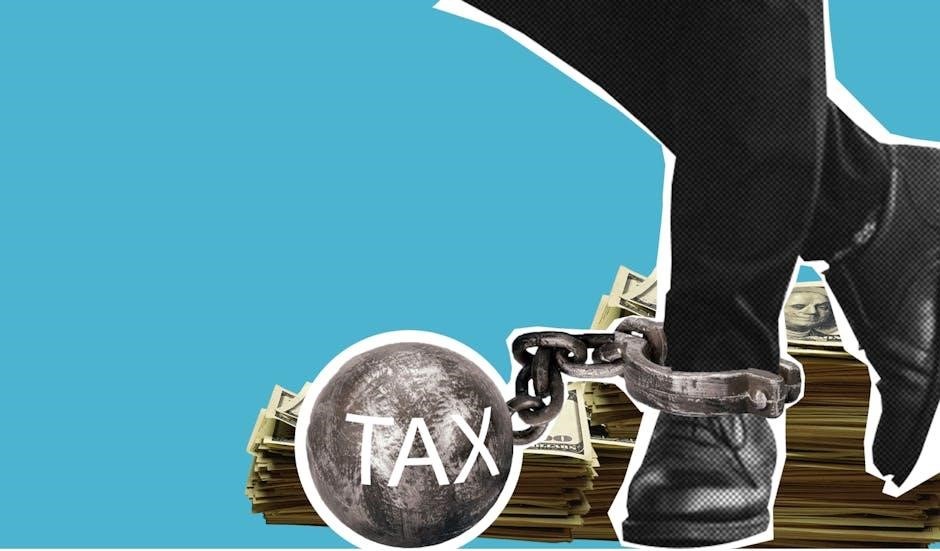
The phrase “Too Big to Fail” (TBTF) describes the belief that certain financial institutions are so large and interconnected within the global economy that their failure would have catastrophic consequences.
Andrew Ross Sorkin’s book‚ “Too Big to Fail: The Inside Story of How Wall Street and Washington Fought to Save the Financial System—and Themselves‚” meticulously details how this concept played out during the 2008 financial crisis. The book reveals the intense internal debates and frantic actions taken by key players – Treasury Secretary Hank Paulson‚ Federal Reserve Chairman Ben Bernanke‚ and others – to prevent a complete collapse of the financial system.

The core idea is that allowing such an institution to fail would trigger a domino effect‚ crippling credit markets‚ devastating businesses‚ and causing widespread economic hardship. This perceived necessity of intervention creates a moral hazard‚ potentially encouraging excessive risk-taking by these institutions‚ knowing they’ll likely be bailed out. Sorkin’s work provides a gripping‚ behind-the-scenes account of the decisions made and the stakes involved‚ illustrating the very real implications of the “Too Big to Fail” dilemma.

The Author: Andrew Ross Sorkin
Andrew Ross Sorkin is a highly acclaimed financial journalist‚ author‚ and founder of DealBook‚ a financial news website now part of The New York Times. He’s renowned for his in-depth reporting and access to key figures in the world of finance and politics.
Sorkin’s career began at The New York Times‚ where he quickly established himself as a leading voice covering Wall Street. His ability to cultivate sources and unravel complex financial narratives led to the publication of “Too Big to Fail” in 2009‚ a book that instantly became a bestseller and a critical touchstone for understanding the 2008 financial crisis.

Beyond “Too Big to Fail‚” Sorkin has authored other notable works‚ and he also co-created the Showtime series “Billions‚” demonstrating his talent for translating intricate financial concepts into compelling storytelling. His work consistently provides insightful analysis and a nuanced perspective on the forces shaping the global economy‚ making him a trusted source for understanding the complexities of the financial world.

Core Themes of the Book
“Too Big to Fail” delves into the systemic risks inherent in the interconnectedness of large financial institutions‚ exploring how their size and complexity created a situation where their failure threatened the entire global economy. A central theme is the moral hazard created by the expectation of government bailouts‚ incentivizing reckless behavior.
The book meticulously examines the interplay of ego‚ greed‚ and political pressure during the crisis‚ revealing how personal ambitions and short-term gains often overshadowed prudent risk management. Sorkin highlights the lack of effective regulation and oversight that allowed these risks to accumulate‚ ultimately leading to the near-collapse of the financial system.
Furthermore‚ “Too Big to Fail” underscores the critical importance of communication and coordination between government agencies – the Treasury Department and the Federal Reserve – in navigating a crisis of this magnitude. It’s a cautionary tale about the consequences of unchecked financial power and the fragility of the economic system.
The 2008 Financial Crisis: A Historical Context
The 2008 financial crisis‚ meticulously detailed within “Too Big to Fail‚” stemmed from a complex interplay of factors building over years. A key precursor was the housing bubble‚ fueled by subprime mortgages and lax lending standards. These risky loans were packaged into complex financial instruments – mortgage-backed securities – and sold to investors globally‚ obscuring the underlying risk.
Deregulation played a significant role‚ allowing financial institutions to take on excessive leverage and engage in speculative activities. The collapse of Lehman Brothers in September 2008 served as a pivotal moment‚ triggering a panic in the financial markets and a credit freeze.
The crisis rapidly escalated‚ threatening the solvency of major banks and insurance companies. Government intervention‚ including the Troubled Asset Relief Program (TARP)‚ became necessary to prevent a complete systemic collapse. “Too Big to Fail” provides an inside look at the frantic efforts to stabilize the financial system during this tumultuous period‚ offering crucial historical context.

Key Players Featured in “Too Big to Fail”
Andrew Ross Sorkin’s “Too Big to Fail” centers around the individuals at the heart of the 2008 financial crisis. The book meticulously portrays the actions and decisions of key figures navigating the unprecedented turmoil. Central to the narrative are Hank Paulson‚ the Treasury Secretary‚ and Ben Bernanke‚ the Federal Reserve Chairman‚ whose collaboration – and occasional clashes – were critical in attempting to contain the crisis.
Alan Greenspan‚ the former Federal Reserve Chairman‚ also features prominently‚ with Sorkin examining his legacy and the policies enacted during his tenure that contributed to the conditions leading up to the collapse.
Beyond these leaders‚ the book delves into the roles of CEOs from major financial institutions like Citigroup‚ AIG‚ and Merrill Lynch‚ revealing their perspectives and the pressures they faced. “Too Big to Fail” offers a nuanced portrayal of these players‚ highlighting their motivations‚ errors in judgment‚ and the immense stakes involved.
Hank Paulson and the Treasury Department
“Too Big to Fail” dedicates significant attention to Hank Paulson’s role as Treasury Secretary during the 2008 crisis. Sorkin portrays Paulson as a pragmatic‚ yet often conflicted‚ figure tasked with preventing a complete financial meltdown. The book details his aggressive approach to stabilizing the system‚ including the controversial Troubled Asset Relief Program (TARP).
The narrative reveals the intense pressure Paulson faced from both Wall Street and Washington‚ navigating conflicting interests and political constraints. Sorkin illustrates Paulson’s internal struggles as he wrestled with the moral hazard of bailing out failing institutions‚ while simultaneously recognizing the catastrophic consequences of inaction.

The book highlights the Treasury Department’s frantic efforts to contain the damage‚ coordinating with the Federal Reserve and other agencies. It showcases the high-stakes negotiations and the difficult decisions made behind closed doors‚ offering a detailed account of Paulson’s leadership during a period of extreme uncertainty.
Ben Bernanke and the Federal Reserve
Andrew Ross Sorkin’s “Too Big to Fail” presents Ben Bernanke‚ then Chairman of the Federal Reserve‚ as a crucial counterpoint to Hank Paulson. The book details Bernanke’s academic background and his deep understanding of the Great Depression‚ which heavily influenced his response to the 2008 crisis.
Sorkin portrays Bernanke as more cautious and analytical than Paulson‚ often advocating for a more measured approach to intervention. The narrative highlights the Fed’s critical role in providing liquidity to the financial system and lowering interest rates to stimulate the economy.
The book reveals the complex relationship between Bernanke and Paulson‚ showcasing their collaboration and occasional disagreements. It illustrates the Fed’s internal debates and the challenges of coordinating monetary policy with the Treasury Department during a rapidly evolving crisis. Sorkin emphasizes Bernanke’s commitment to preventing a repeat of the economic devastation of the 1930s.
Alan Greenspan’s Role and Legacy
“Too Big to Fail” scrutinizes Alan Greenspan’s legacy as former Chairman of the Federal Reserve‚ examining his long tenure and the policies enacted under his leadership. Sorkin’s account doesn’t shy away from questioning whether Greenspan’s deregulation policies contributed to the conditions that ultimately led to the 2008 financial crisis.
The book details how Greenspan‚ a staunch advocate of free markets‚ oversaw a period of significant financial innovation and deregulation. Sorkin explores the argument that this hands-off approach allowed excessive risk-taking and the growth of complex financial instruments‚ ultimately creating systemic vulnerabilities.

The narrative presents Greenspan as a figure grappling with the consequences of his own policies‚ acknowledging his discomfort as the crisis unfolded. “Too Big to Fail” illustrates how his previously celebrated expertise was challenged by the unprecedented nature of the events‚ leaving a complex and controversial legacy within the financial world.
The Book’s Narrative Structure and Style

Andrew Ross Sorkin employs a fast-paced‚ almost cinematic narrative structure in “Too Big to Fail‚” mirroring the frantic energy of the unfolding crisis. The book isn’t a dry economic analysis; instead‚ it reads like a thriller‚ jumping between perspectives of key players in real-time as events escalate.
Sorkin’s style is characterized by detailed scene-setting and a focus on the human drama behind the financial decisions. He utilizes extensive interviews and behind-the-scenes access to recreate crucial conversations and moments of tension‚ offering readers a sense of immediacy.
The narrative frequently shifts between the perspectives of individuals at the Treasury Department‚ the Federal Reserve‚ and major financial institutions‚ creating a panoramic view of the crisis. This multi-faceted approach allows Sorkin to present a nuanced and complex account‚ avoiding simplistic narratives of blame or heroism. The PDF version retains this dynamic storytelling.
Availability of the “Too Big to Fail” PDF
Finding a legitimate PDF of “Too Big to Fail” can be challenging. While not officially offered for free by the publisher‚ various platforms host digital copies. As of today‚ 04/21/2026‚ options include purchasing the PDF through authorized ebook retailers like Amazon Kindle‚ where it’s available for download.
However‚ numerous websites offer the PDF for free download‚ such as Libgen.lc‚ which archives books. Caution is advised when utilizing these unofficial sources due to potential risks like malware‚ viruses‚ and copyright infringement. These sites may also host corrupted or incomplete files.
Users should prioritize legitimate purchasing options to support the author and publisher. Searching for “Too Big to Fail PDF download” yields numerous results‚ but verifying the source’s credibility is crucial. Always scan downloaded files with updated antivirus software before opening them. The book is also available in physical format.
Legitimate Sources for PDF Access
Securing a legal PDF version of “Too Big to Fail” ensures quality and supports the author‚ Andrew Ross Sorkin. As of 04/21/2026‚ the most reliable sources are established ebook retailers. Amazon Kindle offers the book for purchase and immediate download‚ providing a secure and convenient reading experience.
Other reputable platforms‚ such as Google Play Books and Apple Books‚ may also carry the PDF version. These stores guarantee a virus-free file and uphold copyright regulations. Penguin Books‚ the publisher‚ doesn’t directly offer a free PDF but links to authorized retailers on their website.
Checking directly with the publisher’s website or major bookselling websites is recommended before resorting to unofficial sources. Subscribing to ebook services like Scribd might also grant access as part of a broader library. Prioritizing these legitimate avenues protects against malware and ensures a legally obtained copy of this important financial history.
Risks of Downloading from Unofficial Sources
Downloading the “Too Big to Fail” PDF from unofficial websites like Libgen.lc carries significant risks. These platforms often host malware‚ viruses‚ and other malicious software disguised as ebooks‚ potentially compromising your device and personal data. The quality of the PDF itself is often poor‚ with formatting errors and missing pages hindering readability.
Furthermore‚ downloading copyrighted material illegally is a violation of copyright law‚ potentially leading to legal consequences. Unofficial sources frequently lack the security measures of legitimate retailers‚ making them vulnerable to phishing scams and identity theft. The promise of a “free” PDF often comes at a hidden cost.
Even if the file appears safe‚ supporting unauthorized distribution undermines the author and publisher‚ discouraging future works. Prioritizing legitimate sources‚ though requiring a purchase‚ guarantees a safe‚ high-quality reading experience and respects intellectual property rights. Protecting your digital security and supporting authors are crucial considerations.
Critical Reception and Awards
Andrew Ross Sorkin’s “Too Big to Fail” garnered widespread critical acclaim upon its 2009 release‚ becoming a New York Times bestseller and establishing itself as the definitive account of the 2008 financial crisis. Reviewers lauded Sorkin’s meticulous research‚ unparalleled access to key players‚ and gripping narrative style‚ transforming a complex economic event into a compelling read.
The book received the 2010 Gerald Loeb Award for Business Book of the Year‚ recognizing its exceptional contribution to financial journalism. Critics praised Sorkin’s ability to humanize the individuals at the center of the crisis‚ revealing their motivations‚ fears‚ and the immense pressure they faced.
“Too Big to Fail” was also praised for its objective portrayal of events‚ avoiding simplistic narratives and presenting a nuanced understanding of the systemic failures that led to the near-collapse of the global financial system. Its impact extended beyond the business world‚ sparking public debate and influencing policy discussions.
Impact of the Book on Public Understanding of the Crisis
“Too Big to Fail” profoundly shaped public understanding of the 2008 financial crisis‚ moving beyond headlines to reveal the intricate web of decisions and personalities that drove the events. Sorkin’s detailed account demystified complex financial instruments and practices‚ making them accessible to a broader audience.
The book fostered a greater awareness of the risks associated with “too big to fail” institutions and the moral hazard created by government bailouts. It sparked critical conversations about financial regulation‚ corporate responsibility‚ and the role of government intervention in the economy.
By providing an inside perspective on the crisis‚ “Too Big to Fail” empowered citizens to demand accountability from policymakers and financial leaders. The book’s narrative structure‚ focusing on the human drama unfolding behind closed doors‚ resonated with readers and contributed to a lasting legacy of informed public discourse surrounding financial stability.
The Role of Libgen.lc and Similar Platforms
Libgen.lc‚ and platforms like it‚ have become significant‚ though controversial‚ sources for accessing the “Too Big to Fail” PDF and other copyrighted materials. These platforms operate outside traditional publishing channels‚ offering free downloads of books‚ often including academic and professional titles.
The availability of the book on Libgen.lc reflects a broader debate about access to information versus intellectual property rights. While providing access to knowledge‚ these sites raise legal and ethical concerns regarding copyright infringement and author compensation.
Users should be aware of the risks associated with downloading from such sources‚ including potential malware and legal repercussions. Despite these risks‚ the demand for readily available PDFs‚ like “Too Big to Fail‚” continues to fuel the popularity of these platforms‚ highlighting a tension between accessibility and legal frameworks.
“Too Big to Fail” as a Case Study in Financial Regulation
“Too Big to Fail‚” beyond its narrative of the 2008 crisis‚ serves as a crucial case study for examining the failures of financial regulation. The book vividly illustrates the systemic risks posed by large‚ interconnected financial institutions‚ and the consequences when these institutions face collapse.
Sorkin’s account highlights the moral hazard created by the perception that certain firms are “too big to fail‚” encouraging excessive risk-taking with the expectation of government bailouts. The PDF version of the book allows for widespread study of these regulatory shortcomings.
Post-crisis reforms‚ like Dodd-Frank‚ were partly a response to the issues raised in “Too Big to Fail.” Analyzing the events detailed within the book provides valuable insights for policymakers and regulators striving to prevent future financial crises and improve the stability of the global financial system. It remains a relevant text for understanding ongoing debates about financial oversight.
Alternative Formats: Kindle and Audiobook
Beyond the PDF format‚ Andrew Ross Sorkin’s “Too Big to Fail” is readily available in alternative digital and audio versions‚ catering to diverse reading preferences. The Kindle edition offers portability and convenience‚ allowing readers to access the detailed account of the 2008 financial crisis on various devices.
Downloading the Kindle version provides a searchable and easily navigable experience‚ enhancing study and research. Furthermore‚ an audiobook version exists‚ narrated to bring the gripping narrative to life for listeners.
These alternative formats broaden accessibility‚ allowing individuals to engage with the book’s content during commutes or other activities. While the PDF offers a static snapshot‚ Kindle and audiobook formats provide dynamic and convenient ways to absorb the critical insights contained within “Too Big to Fail‚” ensuring its continued relevance and reach.
The Book’s Relevance in Today’s Financial Landscape
Despite being published over a decade ago‚ “Too Big to Fail” remains strikingly relevant in today’s financial landscape. The core issues explored – systemic risk‚ moral hazard‚ and the interconnectedness of financial institutions – continue to shape debates surrounding regulation and economic stability.
The book serves as a potent reminder of the potential consequences of unchecked risk-taking and the importance of proactive oversight. While reforms have been implemented since 2008‚ the underlying vulnerabilities highlighted by Sorkin persist‚ particularly with the rise of new financial technologies and complex instruments.
Accessing the “Too Big to Fail” PDF‚ or exploring its Kindle and audiobook versions‚ provides invaluable context for understanding contemporary financial challenges. It’s a crucial resource for policymakers‚ investors‚ and anyone seeking to navigate the complexities of the modern global economy‚ offering lessons that transcend time and continue to resonate today.