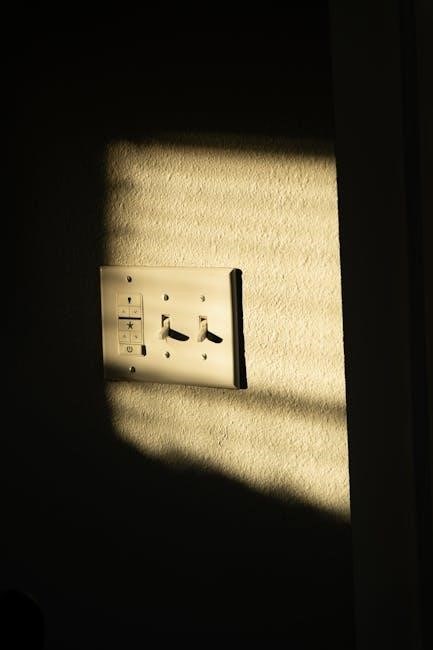
heat n glo wall switch instructions
Heat N Glo Wall Switch Instructions: A Comprehensive Guide
Navigating Heat N Glo fireplaces involves understanding wall switch functionality‚ pilot lighting‚ and potential troubleshooting steps for optimal performance and safety within your home․
Understanding Your Heat N Glo Fireplace System
Heat N Glo fireplaces‚ particularly direct vent natural gas models like the ESCAPE-36DV‚ integrate sophisticated systems for efficient and safe operation․ These systems often feature a multifunction wall switch – the WSK-MLT – designed to control various aspects of the fireplace․ However‚ understanding the interplay between this wall switch and the on/off switch located directly on the fireplace unit is crucial․
The system relies on a low voltage circuit‚ often incorporating a thermopile or pilot generator to produce the necessary millivoltage․ Proper gas pressure‚ verifiable at the test port‚ is also essential for consistent performance․ Furthermore‚ recognizing whether your unit utilizes a manual ignition system with a spark ignitor or a simpler IPI pilot system is key to correct operation and troubleshooting․
Many users find simplifying the control system by replacing the WSK-MLT with a basic wall switch‚ coupled with the IPI pilot‚ offers a more straightforward experience․ However‚ always prioritize safety and consult resources like Hearth․com forums for community insights․
Identifying the WSK-MLT Multifunction Wall Switch
The Heat N Glo WSK-MLT is a sophisticated control device designed for a range of fireplace features‚ offering more than simple on/off functionality․ It’s commonly found paired with direct vent natural gas fireplaces like the ESCAPE-36DV․ Identifying this switch is the first step in understanding your fireplace’s control system․
Visually‚ the WSK-MLT typically presents as a rectangular wall-mounted unit with various buttons or a dial interface․ Its primary function is to manage the fireplace’s operation‚ potentially including flame height adjustment‚ remote control capabilities‚ and diagnostic readouts on a screen․
However‚ the WSK-MLT can be a source of issues‚ as evidenced by reports of complete failure to respond․ When troubleshooting‚ remember the critical interaction with the unit’s on/off switch – both cannot be activated simultaneously․ If problems persist‚ many users opt to replace it with a simpler‚ more reliable low-voltage switch․
Basic Operation of the Wall Switch
The fundamental operation of the Heat N Glo WSK-MLT wall switch centers around initiating and controlling the fireplace’s flame․ Typically‚ pressing the power button on the switch should activate the gas flow and ignition sequence‚ assuming the unit’s internal on/off switch is also correctly positioned․
However‚ a crucial point often overlooked is the interplay between the wall switch and the rocker switch located directly on the fireplace unit itself․ Either the wall switch or the unit’s switch can be on‚ but never both concurrently – this is a common user error leading to non-operation․
Beyond basic on/off‚ the WSK-MLT may offer features like flame height adjustment or remote control integration․ If the switch fails to respond‚ checking the batteries is a logical first step․ Remember‚ successful operation relies on a functioning pilot light and a properly configured system․
The On/Off Switch on the Fireplace Unit
Located directly on the Heat N Glo fireplace‚ the on/off switch serves as a primary control point‚ often a rocker-style switch‚ for initiating and terminating gas flow to the pilot and burner․ This switch is a critical component‚ working in tandem with the wall switch to manage fireplace operation․
Understanding its function is paramount; as noted in troubleshooting discussions‚ either the wall switch or this unit-mounted switch should be in the ‘on’ position‚ but activating both simultaneously will prevent the fireplace from functioning correctly․ This is a frequent cause of user confusion․
Before attempting to operate the wall switch‚ ensure this unit switch is correctly positioned․ It’s a foundational step in diagnosing any operational issues; Furthermore‚ this switch allows for basic operation even without a functioning wall switch‚ providing a bypass for testing purposes․
Interaction Between Wall Switch and Unit Switch
The Heat N Glo system is designed with a specific interaction between the WSK-MLT wall switch and the on/off switch located directly on the fireplace unit․ This relationship is crucial for proper operation and often misunderstood‚ leading to troubleshooting challenges;
As highlighted in user forums‚ a common issue arises when both switches are activated concurrently․ The system is intentionally designed to prevent operation in this scenario‚ acting as a safety feature․ Only one switch should be ‘on’ at any given time to allow the fireplace to ignite and run․
The wall switch typically provides remote convenience‚ while the unit switch offers a direct‚ manual override․ Understanding this interplay is key to resolving “no response” issues․ If the wall switch fails‚ the unit switch can be used as a temporary solution‚ and vice-versa․
Troubleshooting: Wall Switch Doesn’t Respond
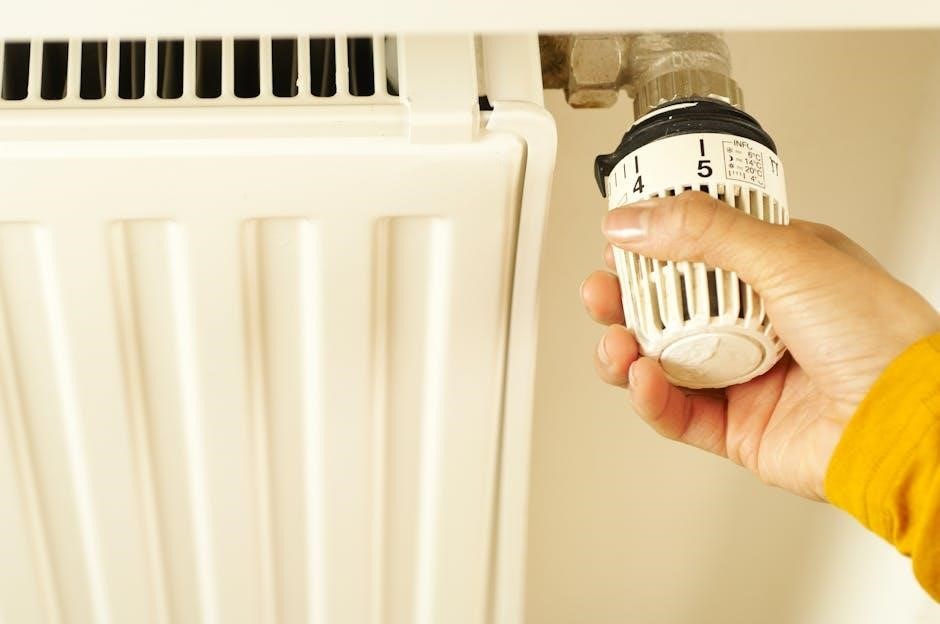
When your Heat N Glo wall switch fails to operate‚ a systematic approach to troubleshooting is essential; Initial steps involve verifying the simplest potential causes before delving into more complex issues․
A primary concern‚ as discussed in online forums‚ is ensuring the unit’s on/off switch isn’t simultaneously activated․ The system prevents operation if both switches are engaged․ Beyond this‚ investigate potential low millivoltage problems․ A weak pilot flame or a faulty thermopile (pilot generator) can disrupt the electrical signal reaching the wall switch․
Furthermore‚ a damaged thermostat or compromised thermostat wiring could be the culprit‚ especially if the thermostat is located far from the fireplace unit․ Consider testing gas pressure at the test port as a preliminary diagnostic step․ If issues persist‚ professional assistance may be required․
Checking the Batteries in the Wall Switch
A frequently encountered issue with unresponsive Heat N Glo wall switches‚ particularly those with a screen display‚ is depleted batteries․ This is a simple yet often overlooked step in the troubleshooting process․
If the wall switch lacks functionality‚ or if the screen is blank and displaying no readout‚ begin by inspecting the batteries․ Replace them with fresh‚ current power sources‚ adhering to the battery type specified in your Heat N Glo fireplace manual․ This straightforward solution resolves many instances of wall switch failure․
Ensure proper battery installation‚ observing the correct polarity (+ and -)․ After replacement‚ test the switch’s operation․ If the problem persists despite new batteries‚ it indicates a more significant underlying issue requiring further investigation‚ potentially involving the thermopile or wiring․
Low Millivoltage Issues and Thermopiles
A common cause of wall switch malfunctions in Heat N Glo fireplaces is insufficient millivoltage․ This often stems from problems with the thermopile‚ also known as the pilot generator․ The thermopile generates the small electrical current needed to operate the gas valve and‚ consequently‚ the wall switch․
A weak pilot flame directly impacts thermopile output․ If the flame isn’t strong or properly directed at the thermopile‚ it won’t produce enough voltage․ A faulty thermopile itself‚ or damaged wiring connecting it to the gas valve and switch‚ can also cause low millivoltage․
Symptoms include a wall switch that doesn’t respond‚ or a fireplace that shuts off intermittently․ Testing millivoltage requires a multimeter and knowledge of electrical safety; consult a qualified technician if you’re uncomfortable performing these checks․
Faulty Thermostat and Wiring Problems
When a Heat N Glo wall switch fails to operate‚ a faulty thermostat or wiring issues are prime suspects․ If the thermostat isn’t calling for heat‚ the wall switch won’t activate the fireplace‚ even if it appears functional․
Long thermostat wire runs can contribute to voltage drop‚ hindering communication between the thermostat and the fireplace’s control system․ Inspect the wiring for corrosion‚ loose connections‚ or damage․ A bad thermostat itself can also send incorrect signals or no signal at all․
Ensure the thermostat is compatible with your Heat N Glo model․ Testing the thermostat requires a multimeter to verify continuity and voltage․ If you’re unfamiliar with electrical work‚ it’s best to call a professional․ Proper wiring and a functioning thermostat are crucial for reliable fireplace operation․
Replacing the WSK-MLT with a Simple Switch
For Heat N Glo fireplaces equipped with the WSK-MLT multifunction wall switch‚ simplifying to a basic on/off switch is a viable option when troubleshooting persistent issues․ This approach streamlines the system‚ eliminating potential complexities within the multifunction control․
The process involves disconnecting the WSK-MLT and wiring a standard single-pole switch in its place․ However‚ this conversion necessitates understanding your fireplace’s ignition system – specifically‚ whether it utilizes an IPI (Intermittent Pilot Ignition) system․
If transitioning to a simplified setup with an IPI pilot‚ a low-voltage wall switch is required to activate the pilot light․ Always prioritize safety and consult the fireplace’s manual or a qualified technician before undertaking this modification․ This ensures proper functionality and prevents potential hazards․
Simplifying to an IPI Pilot System
Transitioning to an Intermittent Pilot Ignition (IPI) system offers a streamlined approach for Heat N Glo fireplaces‚ particularly after removing the WSK-MLT multifunction wall switch․ This method relies on a low-voltage switch to initiate the pilot light‚ providing a more basic and often more reliable operation․
An IPI system requires a functioning thermopile to generate the millivoltage necessary for sustained operation․ Ensure the pilot flame is strong and blue‚ as a weak flame can compromise the thermopile’s output․ A low-voltage wall switch then activates the pilot‚ and once established‚ the main burner can ignite․
This simplification is often pursued when troubleshooting complex switch issues‚ offering a more direct control method․ However‚ proper understanding of the gas valve and pilot assembly is crucial for safe and effective implementation․ Consulting a professional is recommended if you’re unfamiliar with gas fireplace components․
Testing Gas Pressure at the Test Port
Accurate gas pressure is vital for safe and efficient Heat N Glo fireplace operation‚ especially when troubleshooting issues related to the wall switch or pilot system․ Locating the test port‚ typically near the gas valve‚ allows for verification of the supplied gas pressure․
This test requires a manometer‚ a specialized instrument for measuring gas pressure․ Always follow the manufacturer’s instructions for connecting the manometer and interpreting the readings․ Incorrect pressure can lead to inefficient burning‚ soot buildup‚ or even dangerous gas leaks․
Refer to your fireplace’s specifications for the correct gas pressure range․ If the pressure is outside this range‚ do not operate the fireplace and contact a qualified technician․ Adjustments should only be made by professionals‚ as tampering with the gas valve can be hazardous․ Prioritize safety throughout this process․
Pilot Lighting Procedures
Successfully lighting the pilot is crucial for restoring fireplace function when the wall switch isn’t responding or after gas supply interruption․ Begin by ensuring the fireplace unit’s on/off switch is in the “off” position․ Locate the pilot assembly‚ typically accessible through a panel near the burner․
For manual ignition systems‚ depress and hold the pilot button while simultaneously applying a spark (if equipped) or using a long-reach lighter․ Observe the pilot flame; it should be strong and blue․ If using a spark ignitor‚ continue holding the pilot button for the recommended duration (usually 30-60 seconds) after ignition․
Once the pilot is established‚ release the pilot button․ Turn the unit’s on/off switch (or wall switch) to the “on” position to initiate the main burner․ If the pilot repeatedly extinguishes‚ a weak thermopile or a blockage in the pilot orifice may be the cause – consult a professional․
Manual Ignition Systems vs․ Spark Ignitors
Heat N Glo fireplaces employ two primary pilot ignition methods: manual systems and spark ignitors‚ each requiring a distinct lighting procedure․ Manual ignition necessitates holding down the pilot button while simultaneously applying a flame source – a long-reach lighter is recommended – directly to the pilot assembly․ Maintaining pressure on the button is vital during ignition and for the initial period afterward․
Spark ignitor systems‚ conversely‚ generate a spark to ignite the pilot․ Depress the pilot button and the ignitor will automatically create sparks until the pilot flame is established․ No external flame source is needed․
Identifying your system is key: if you see a red or black spark ignitor button‚ you have a spark ignition system․ If not‚ you’ll need a lighter for manual lighting․ Always refer to your fireplace’s specific manual for detailed instructions and safety precautions related to your ignition type․
Turning the Unit On After Pilot Lighting
Once the pilot flame is consistently lit and stable‚ the final step is activating the main burner․ This is achieved by utilizing either the unit’s on/off switch – typically located beneath the fireplace – or the wall switch‚ but not both simultaneously․ According to user experiences‚ operating both switches concurrently can prevent ignition․
Turn the unit’s switch or the wall switch to the “ON” position․ You should hear the click of the gas valve opening and observe the main burner igniting․ SUNDANCE Energy Services emphasizes completing this step to enjoy your fireplace․
If the burner doesn’t ignite‚ double-check the pilot flame is still lit and repeat the process‚ ensuring only one switch is engaged․ Remember to consult your owner’s manual for specific instructions related to your Heat N Glo model․
Common User Errors and Misconceptions
A frequently encountered issue‚ as highlighted in Hearth․com forums‚ is the simultaneous operation of the fireplace’s on/off switch and the wall switch․ Users have discovered that attempting to activate both switches at once can prevent the fireplace from igniting‚ leading to frustration and unnecessary troubleshooting․
Another misconception revolves around troubleshooting a non-responsive wall switch․ Many users initially assume a faulty wall switch when the issue stems from the unit’s internal switch being left in the “off” position․ It’s crucial to remember that only one switch should be “on” at any given time․
Furthermore‚ overlooking basic checks like battery replacement in the wall switch or screen can lead to misdiagnosis․ Always verify these simple solutions before assuming more complex problems․
Ensuring Both Switches Aren’t Simultaneously On
A critical operational aspect of Heat N Glo fireplaces‚ particularly those with the WSK-MLT multifunction wall switch‚ is understanding the interplay between the wall switch and the unit’s internal on/off switch․ As noted in Hearth․com forum discussions‚ attempting to operate both switches concurrently will prevent ignition․
The system is designed to function with either the wall switch or the unit’s switch in the “on” position‚ but not both․ This is a common point of confusion for new users‚ often leading to the assumption of a malfunctioning system when the issue is simply incorrect operation․
To ensure proper function‚ always verify that one switch is “off” while the other is “on”․ This simple step resolves a significant number of reported issues and guarantees safe and reliable fireplace operation․ Prioritize this check during initial setup and troubleshooting․
Heat N Glo Escape-36DV Specifics
The Heat N Glo Escape-36DV‚ a popular direct vent natural gas fireplace model‚ often presents unique considerations when addressing wall switch issues․ As highlighted in online forums‚ owners frequently encounter problems with the WSK-MLT multifunction wall switch in this specific unit;
Troubleshooting often begins with verifying the gas pressure at the test port‚ a crucial step before attempting any repairs․ Furthermore‚ understanding the interaction between the wall switch and the unit’s internal rocker switch is paramount for correct operation․
If the wall switch fails to respond‚ a common solution involves simplifying the system to an IPI pilot and a low-voltage wall switch․ This approach bypasses the complexities of the WSK-MLT‚ offering a more straightforward control method; Remember to consult professional resources for guidance on gas line modifications․
Direct Vent Natural Gas Fireplace Considerations
Direct vent natural gas fireplaces‚ like the Heat N Glo Escape-36DV‚ require careful attention to gas pressure and venting systems when troubleshooting wall switch issues․ Incorrect gas pressure can lead to inefficient combustion or even safety hazards‚ necessitating a check at the test port before proceeding․
Low millivoltage problems are frequently cited as a cause of wall switch malfunctions‚ often stemming from a faulty thermopile or weak pilot flame․ These components are vital for generating the electrical current needed to operate the gas valve․ Proper pilot lighting procedures are essential‚ whether utilizing a manual ignition system or a spark ignitor․
When simplifying the control system‚ transitioning to an IPI pilot system requires understanding the interplay between the wall switch‚ the pilot assembly‚ and the gas valve․ Always prioritize safety and consult a qualified technician if you are uncomfortable working with gas lines or electrical components․
Troubleshooting: No Readout on the Screen
Encountering a blank screen on your Heat N Glo wall switch‚ specifically the WSK-MLT model‚ often points to a simple‚ easily rectifiable issue: depleted batteries․ The screen’s functionality relies entirely on sufficient power‚ and a lack of readout is a primary indicator of this problem․

Before undertaking more complex troubleshooting‚ always begin by checking the batteries and replacing them with fresh‚ current power sources‚ adhering to the manufacturer’s recommendations outlined in the user manual․ This initial step resolves the issue in many cases‚ restoring the display and allowing for proper operation of the fireplace․
If battery replacement doesn’t solve the problem‚ further investigation may be needed‚ potentially involving wiring checks or a faulty control board․ However‚ starting with the batteries is the most logical and cost-effective first step in diagnosing a screen malfunction․
Battery Replacement for Screen Functionality
Restoring the display on your Heat N Glo WSK-MLT wall switch often begins with a straightforward battery replacement․ A lack of power is a common culprit when the screen fails to illuminate or show any readings․ Ensure you use the correct battery type as specified in your Heat N Glo fireplace’s manual – typically AA or AAA batteries․
To replace the batteries‚ locate the battery compartment‚ usually on the back or side of the wall switch unit․ Carefully open the compartment and remove the old batteries‚ noting the correct polarity (+ and -) for installation․ Insert the new batteries‚ ensuring proper alignment‚ and securely close the compartment․
After replacement‚ the screen should reactivate‚ displaying the fireplace’s status and allowing for control․ If the screen remains blank‚ double-check the battery polarity and ensure the batteries are fresh and fully charged․ This simple step often resolves the issue and restores full functionality․
Safety Precautions When Working with Gas Fireplaces
Prioritizing safety is paramount when dealing with gas fireplaces like your Heat N Glo unit․ Always shut off the gas supply to the fireplace before performing any maintenance or troubleshooting‚ including work on the wall switch or pilot light system․ Never attempt repairs if you smell gas; immediately evacuate the area and contact your local gas company or a qualified technician․
Ensure adequate ventilation during any work‚ and avoid using open flames or sparks near the fireplace․ Be cautious of hot surfaces‚ especially after the fireplace has been in use․ If you are uncomfortable with any aspect of the repair process‚ it’s best to call a professional․
Regularly inspect the gas lines and connections for leaks‚ and never modify the fireplace’s components without proper authorization․ Carbon monoxide detectors are essential for safe operation; ensure they are functioning correctly․
When to Call a Professional Technician
Certain issues with your Heat N Glo fireplace necessitate the expertise of a qualified technician․ If you detect a gas leak‚ immediately cease all work and contact your gas company․ Similarly‚ if you’re experiencing low millivoltage issues or suspect a faulty thermopile‚ professional diagnosis is crucial․
Complex wiring problems‚ especially those involving the thermostat or wall switch‚ should be handled by a trained professional․ If you’ve attempted troubleshooting steps – like checking batteries or simplifying the system – without success‚ it’s time to call for help․
Any concerns regarding gas pressure or pilot lighting that you cannot resolve safely require a technician’s attention․ Don’t hesitate to seek professional assistance if you’re unsure about any aspect of the repair process‚ ensuring the safe and efficient operation of your fireplace․
Resources for Heat N Glo Fireplace Support
For comprehensive assistance with your Heat N Glo fireplace‚ several online resources are readily available․ Hearth․com Forums provide a vibrant community where users share troubleshooting tips and experiences‚ offering solutions to common issues like wall switch malfunctions․ You can find valuable insights and advice from fellow fireplace owners․
SUNDANCE Energy Services offers detailed pilot lighting instructions specifically for Heat N Glo gas fireplaces‚ ensuring safe and correct operation․ FireplaceHubs presents a collection of easy-to-follow troubleshooting guides‚ covering a range of problems‚ including screen display issues and general operational concerns․
These platforms provide a wealth of information‚ empowering you to diagnose and resolve minor issues independently․ However‚ remember to consult a professional technician for complex repairs or if you’re uncomfortable performing any maintenance tasks yourself․
Hearth․com Forums for Troubleshooting
Hearth․com Forums serve as an invaluable resource for Heat N Glo fireplace owners facing operational challenges‚ particularly concerning the WSK-MLT wall switch․ Numerous threads detail user experiences and solutions‚ offering practical advice for diagnosing and resolving issues․ Discussions frequently address scenarios where the wall switch fails to respond‚ often pinpointing operator error – specifically‚ the simultaneous activation of both the wall switch and the unit’s on/off switch․
Forum members have shared insights into simplifying systems by replacing the WSK-MLT with a basic low-voltage wall switch and implementing an IPI pilot system․ Discussions also cover potential causes like faulty thermostats‚ damaged thermostat wiring‚ or low millivoltage stemming from a failing thermopile or weak pilot flame․ Registration is required to participate and access the full breadth of information available․
SUNDANCE Energy Services for Pilot Instructions
SUNDANCE Energy Services provides clear and concise pilot lighting instructions specifically tailored for Heat N Glo gas fireplaces‚ a crucial step often linked to wall switch operation․ Their guidance emphasizes the importance of successfully establishing a pilot flame before attempting to activate the main burner via the wall switch or remote control․
The process typically involves locating the pilot assembly‚ turning the gas control valve to the “Pilot” position‚ and initiating the ignition sequence – whether through a manual ignition system (with a red or black spark ignitor button) or a spark ignitor․ Once the pilot flame is stable‚ the instructions direct users to turn the unit’s ON/OFF switch (or the wall switch) to the “ON” position‚ initiating the fireplace’s operation․ Following these steps ensures safe and reliable ignition․
FireplaceHubs for General Troubleshooting
FireplaceHubs offers a broad range of troubleshooting advice for Heat N Glo fireplaces‚ often addressing issues related to wall switch functionality and overall system performance․ A common problem highlighted is a lack of display readout on the fireplace screen‚ which frequently points to depleted batteries․ The recommendation is to check and replace the batteries with fresh ones‚ consulting the owner’s manual for the correct type․
Beyond battery issues‚ FireplaceHubs suggests exploring other potential causes for wall switch malfunctions‚ such as wiring problems or a faulty thermostat․ Their resources emphasize a systematic approach to diagnosis‚ encouraging users to consider all possible factors before seeking professional assistance․ The site serves as a valuable starting point for DIY troubleshooting‚ offering guidance for common Heat N Glo fireplace concerns․