
solar oven science project pdf
Solar oven projects provide an engaging introduction to harnessing the sun’s energy. These DIY ovens‚ often built from common household materials‚ serve as excellent science experiments. Explore renewable energy and practical applications with readily available PDF guides.
Understanding DIY Solar Ovens

DIY solar ovens provide an accessible and engaging way to explore solar power. A solar oven is a homemade device that harnesses sunlight to cook food‚ functioning as either a regular oven or a crockpot. These projects are valued in science education‚ enabling students to design‚ build‚ and test practical applications of solar energy. Many designs utilize common household items‚ such as pizza boxes‚ making them affordable and easy to construct. A simple solar oven can reach temperatures between 200°F and 300°F (90°C to 150°C)‚ sufficient for cooking various dishes or toasting marshmallows. Understanding these ovens highlights their educational role in demonstrating heat-related principles and the importance of energy technologies. Simple ovens are inexpensive‚ often made for just a few dollars. While easy to build‚ effective use requires keeping the cooking pot closed to retain heat‚ unlike traditional stirring over a fire. This fosters hands-on learning about sustainable solutions and thermal efficiency.
The Educational Value of Solar Cooking
Solar cooking projects offer significant educational value‚ serving as excellent hands-on science experiments for students of all ages. These activities introduce children to the fundamental concepts of solar energy and demonstrate how it can be effectively harnessed to produce heat. Students actively learn about heat-related principles‚ such as absorption‚ insulation‚ and reflection‚ while appreciating the broader importance of energy-related technologies.
Through designing‚ building‚ testing‚ and refining their own solar ovens‚ students develop critical thinking and problem-solving skills. They are challenged to create efficient systems‚ record temperature data using thermometers‚ and improve their designs based on experimental results. This iterative process encourages scientific inquiry and an understanding of engineering principles.

Moreover‚ these projects emphasize renewable energy‚ making them perfect for science fairs and classroom lessons focused on sustainable solutions. Accessible PDF guides often support these learning experiences‚ making it easy to teach about the sun’s power in a fun and engaging way.
Accessing Solar Oven Project PDFs
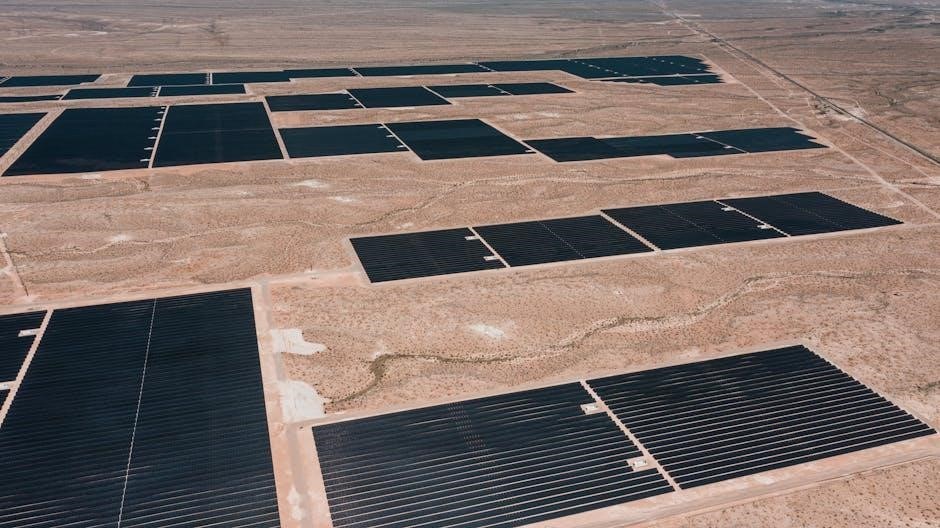
Accessing solar oven project PDFs significantly streamlines the entire learning and building process. Many free resources are readily available online‚ offering downloadable documents or easy-to-follow guides. These materials provide detailed‚ step-by-step instructions for constructing various solar ovens‚ from simple pizza box designs to complex box models‚ often utilizing common household items.
These invaluable guides are ideal for science projects‚ leading users through design elements and practical construction. They detail experimental procedures‚ including oven setup‚ conducting tests‚ temperature measurement‚ data documentation‚ and design refinement. Furthermore‚ these resources explain scientific principles like absorption‚ insulation‚ and reflection. These accessible files empower individuals to build‚ test‚ and analyze their own solar cookers‚ fostering a deeper understanding of renewable energy and practical engineering for classroom or home experimentation. Search for “Simple Solar Oven” or “Solar Oven Research Project” to begin.

Scientific Principles of Solar Ovens
Solar ovens operate on key principles. Reflection directs sunlight. Absorption by dark surfaces converts light to heat. Insulation‚ often plastic wrap‚ traps this heat‚ demonstrating efficient solar energy capture and conversion for science projects and cooking.

Harnessing Solar Energy for Heat
Harnessing solar energy for heat is the primary objective of solar oven projects‚ demonstrating a fundamental aspect of renewable energy. These simple‚ DIY ovens efficiently capture and convert the sun’s radiant energy into thermal heat‚ suitable for cooking. Such projects serve as excellent educational tools‚ allowing students to grasp the tangible concept of solar power. By designing‚ building‚ and testing these ovens‚ individuals directly experience how sunlight can be concentrated and transformed. This hands-on approach reveals solar energy offers more than light; it holds potential for generating substantial heat. Experiments show solar ovens can reach impressive internal temperatures‚ often between 200-300 Fahrenheit‚ with prototypes achieving 90 degrees Celsius. This direct harnessing of solar power through accessible designs‚ frequently outlined in project PDFs‚ underscores sustainable technologies’ viability. It cultivates an appreciation for energy efficiency and using natural resources‚ encouraging innovation in clean energy solutions.
The Role of Absorption and Insulation
The effectiveness of a solar oven hinges critically on the dual principles of absorption and insulation. Absorption is primarily achieved through the use of dark-colored‚ often black‚ materials inside the cooking chamber. These materials‚ such as black construction paper or dark pots‚ excel at absorbing solar radiation‚ converting the light energy directly into thermal energy. This conversion is crucial for initiating the heating process within the oven‚ elevating the internal temperature. Once heat is generated‚ insulation becomes paramount to prevent its escape from the system.
Materials like clear plastic wrap or glass covers serve to trap the warm air inside‚ creating a powerful greenhouse effect. This barrier minimizes convection and conduction heat losses to the ambient environment‚ keeping the heat contained. Furthermore‚ the walls of the oven itself are often designed with insulating layers‚ preventing heat from radiating outwards. The strategic combination of efficient heat absorption by dark surfaces and robust insulation to retain that heat allows a simple solar oven to reach temperatures sufficient for cooking. Experimenting with different insulating materials and absorbers is a key part of refining a solar oven’s design and enhancing its thermal efficiency for optimal performance in educational projects and achieving desired results.
Reflection for Maximizing Sunlight
Reflection plays a paramount role in maximizing the solar energy harnessed by an oven‚ directly impacting its heating efficiency. The core idea is to gather sunlight from a larger area and direct it into the cooking chamber‚ thereby concentrating the sun’s rays. This is primarily achieved through the strategic placement of reflective surfaces‚ most commonly aluminum foil‚ on flaps or panels surrounding the main oven structure.

These reflective materials act as mirrors‚ bouncing incident sunlight that would otherwise miss the oven’s opening directly towards the dark interior of the cooker. The angle and positioning of these reflectors are crucial; they must be adjusted to optimally focus the sun’s energy onto the food or the internal heat-absorbing surface. By effectively concentrating sunlight‚ reflection significantly increases the solar flux entering the oven‚ leading to a much faster and higher temperature rise. Students often experiment with varying the size and orientation of these reflective panels in their science projects‚ observing how different configurations impact the internal temperature. This active redirection of solar energy is a key design element‚ ensuring that the maximum possible amount of solar radiation is captured and utilized for cooking‚ enhancing the overall performance of the DIY solar oven.

Design‚ Materials‚ and Construction
Designing and constructing a solar oven often involves simple household materials. Projects frequently use pizza boxes‚ foil‚ and plastic wrap to create a functional DIY cooker. Step-by-step PDF guides facilitate building various solar oven designs for educational and practical use.
Gathering Common Household Materials
Embarking on a solar oven science project is remarkably accessible‚ primarily because it leverages readily available household items. For a basic yet effective solar oven‚ you’ll typically gather materials that are often found around the house or are inexpensive to acquire. A common starting point is a simple pizza box‚ which forms the core structure of many DIY designs. Beyond the box‚ essential components include aluminum foil‚ crucial for its reflective properties to direct sunlight efficiently into the cooking chamber. Plastic wrap‚ or a clear plastic sheet‚ serves as the transparent cover to trap heat inside‚ creating a greenhouse effect. Black construction paper or dark fabric is also vital‚ as it acts as an excellent absorber of solar energy‚ converting light into heat within the oven. Insulation materials like newspaper‚ cardboard scraps‚ or even cotton balls can be used to line the oven walls‚ minimizing heat loss. Other useful items might include tape‚ glue‚ scissors‚ and a thermometer to measure internal temperatures during experimentation. The beauty of these projects lies in their reliance on everyday objects‚ making solar cooking an approachable and sustainable endeavor for students and enthusiasts alike‚ as highlighted in numerous free PDF guides and educational resources.
Basic Solar Oven Design Elements
The fundamental design of a solar oven relies on a few critical elements working in concert to capture and retain heat from the sun. At its core‚ the design often starts with a simple box‚ such as a pizza box‚ which defines the cooking chamber. A key component is the reflector‚ typically made from aluminum foil‚ strategically placed to direct and concentrate sunlight into the oven’s interior. This reflective surface maximizes the amount of solar radiation entering the system. Inside the oven‚ a dark‚ heat-absorbing material‚ like black construction paper or a painted surface‚ lines the bottom and sides. This black absorber efficiently converts the concentrated sunlight into thermal energy. To trap this generated heat and prevent its escape‚ a transparent cover‚ usually plastic wrap or a clear plastic sheet‚ seals the top of the cooking chamber. This cover allows solar rays to penetrate while minimizing heat loss‚ creating a crucial greenhouse effect. Additionally‚ insulation‚ often integrated into the box’s walls‚ helps maintain high internal temperatures‚ contributing to the oven’s ability to reach temperatures between 200 and 300 Fahrenheit for effective solar cooking.
Step-by-Step Building Instructions
To construct your own solar oven‚ begin by gathering all necessary materials‚ which typically include a cardboard box (like a pizza box)‚ aluminum foil‚ black construction paper‚ plastic wrap‚ tape or glue‚ and scissors. Many PDF guides outline these initial steps clearly. First‚ prepare the main oven structure; for a pizza box design‚ you’ll often cut a flap in the lid‚ leaving one side attached. Next‚ line the inside surfaces of the main box and the underside of the flap with aluminum foil‚ ensuring the shiny side faces outwards to maximize reflection. Secure the foil smoothly with tape or glue. After the reflective surfaces are in place‚ line the bottom of the oven’s interior with black construction paper; This dark material is crucial for absorbing sunlight and converting it into heat. Once the absorber is positioned‚ create a transparent lid by covering the opening in the flap with plastic wrap‚ sealing it tightly to trap heat inside. This forms the greenhouse effect. Finally‚ ensure any gaps are sealed to prevent heat loss. Comprehensive instructions‚ often found in solar oven science project PDFs‚ detail these steps‚ sometimes including additional insulation layers for enhanced efficiency‚ guiding you through the assembly to create a functional solar cooker ready for experimentation.

Experimentation‚ Analysis‚ and Improvement
This phase involves setting up experiments to test solar oven designs‚ recording internal temperatures‚ and analyzing the data gathered. Students then use these findings to refine and improve their oven’s efficiency‚ documenting their journey of scientific discovery and presenting results.
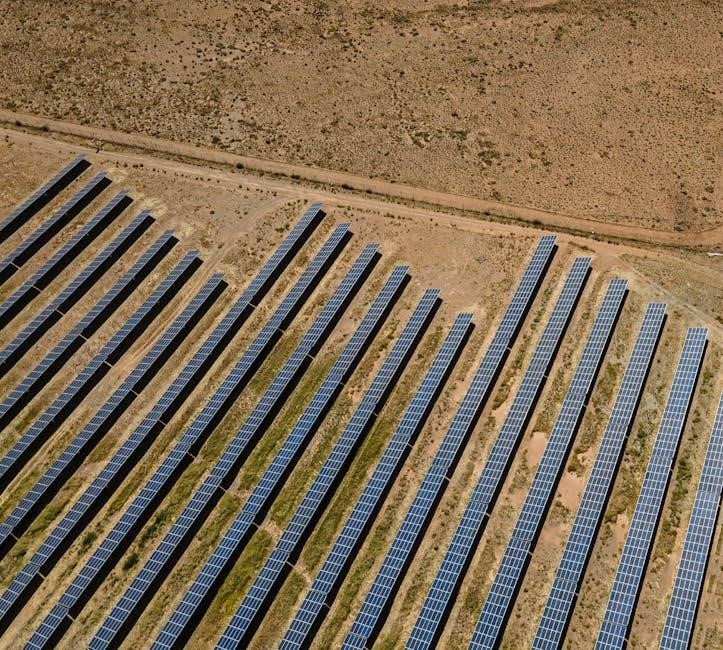
Setting Up and Conducting the Experiment
Setting up a solar oven experiment begins with carefully positioning the constructed device outdoors in direct sunlight on a clear day. For comparative studies‚ multiple ovens‚ perhaps varying in shape or interior lining materials like black construction paper or different reflective foils‚ should be prepared simultaneously. Each oven requires a thermometer placed strategically inside to accurately measure the internal temperature throughout the experiment. It is crucial to document the starting conditions‚ including ambient temperature and time. Students should meticulously follow an “Experiment and Record worksheet” or a similar guide to ensure consistent data collection. This involves regularly checking and logging the temperature readings at predetermined intervals. The experiment aims to observe how effectively the oven harnesses solar energy‚ utilizing principles of reflection‚ absorption‚ and insulation. Observing changes in temperature over time helps determine the oven’s performance. For instance‚ testing a pizza box design against another shape‚ or comparing the heat generated with different absorbing materials‚ forms the core of the investigation. Ensure the cooking pot‚ if used‚ remains closed to retain maximum heat. This methodical approach allows for reliable data to be gathered for subsequent analysis and improvement.
Measuring and Documenting Temperatures
Measuring and documenting temperatures is a critical phase in any solar oven project‚ allowing students to quantify the effectiveness of their design. After setting up the solar oven outdoors in direct sunlight‚ a reliable thermometer must be carefully positioned inside the cooking chamber. Students are tasked with recording these temperatures at regular‚ predetermined intervals. This consistent data collection is essential for understanding how the solar oven harnesses heat over time. For instance‚ comparing the internal temperature readings against the ambient outdoor temperature provides clear evidence of the oven’s heating capability. Data sheets or “Experiment and Record worksheets” are invaluable tools for organizing these observations‚ ensuring accuracy and completeness. The recorded temperatures‚ which can range from 90°C (194°F) up to 200-300°F (93-149°C) in efficient designs‚ directly indicate the oven’s performance. This quantitative data becomes the primary basis for evaluating whether the oven “worked” as intended and provides empirical evidence to support conclusions about material effectiveness‚ such as the impact of black paper absorption or reflective foil. Precise documentation facilitates analysis and informs subsequent design improvements‚ making it a cornerstone of the scientific process.
Refining Design and Presenting Findings
Post-documentation‚ students refine their solar oven design and present findings. They evaluate the prototype using thermal data‚ identifying elements needing enhancement (insulation‚ absorption‚ reflection). The objective is to boost thermal efficiency and heat retention for higher temperatures.
Refinement involves modifications. Students experiment with box shapes‚ upgrade reflective linings‚ or improve seals to minimize heat loss. This iterative process encourages building a second‚ more efficient solar cooker‚ addressing initial test weaknesses. This stage challenges students to design‚ build‚ test‚ and refine systems for efficiency‚ embodying core engineering principles.
Findings require a comprehensive report; It outlines initial/refined designs‚ details methodology‚ showcases temperature data via graphs‚ and explains modifications. Students articulate challenges‚ successes (e.g.‚ achieving specific temperatures or a 9/10 user rating)‚ and lessons learned‚ fostering communication and critical thinking about renewable energy solutions.